We turn unique ideas into greatProducts
choose from our products
We provide and make various tailor-made products for you. Choose from our categories.
If you are interested, we will prepare a price offer for you.
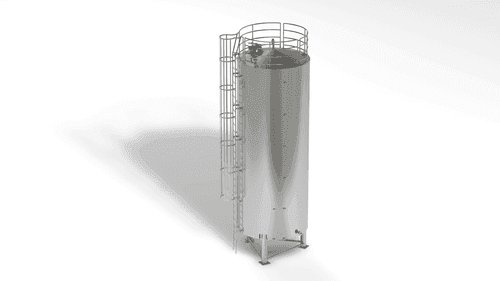 Silos
Silos Pneumatic conveying
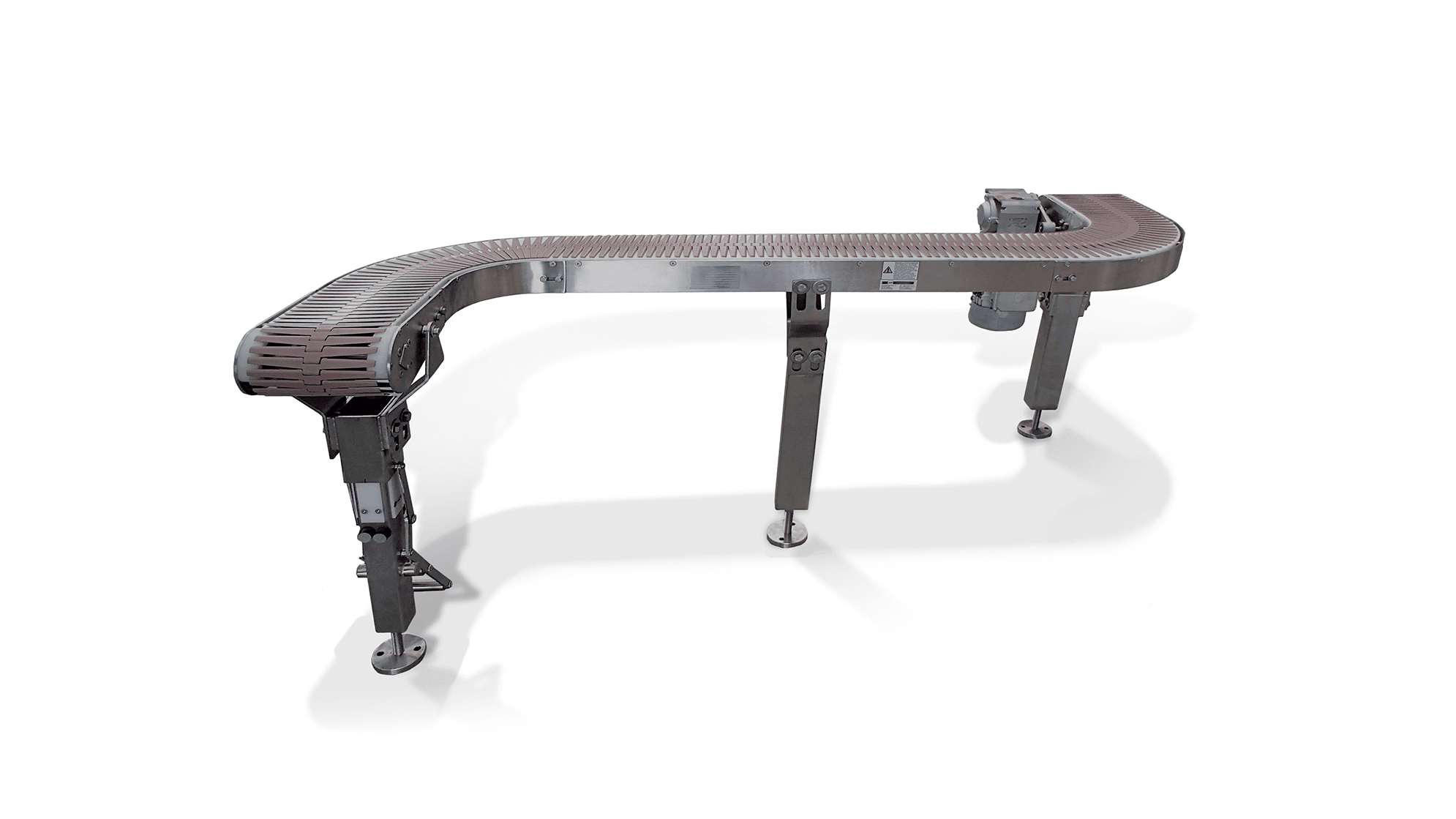 Mechanical conveyors
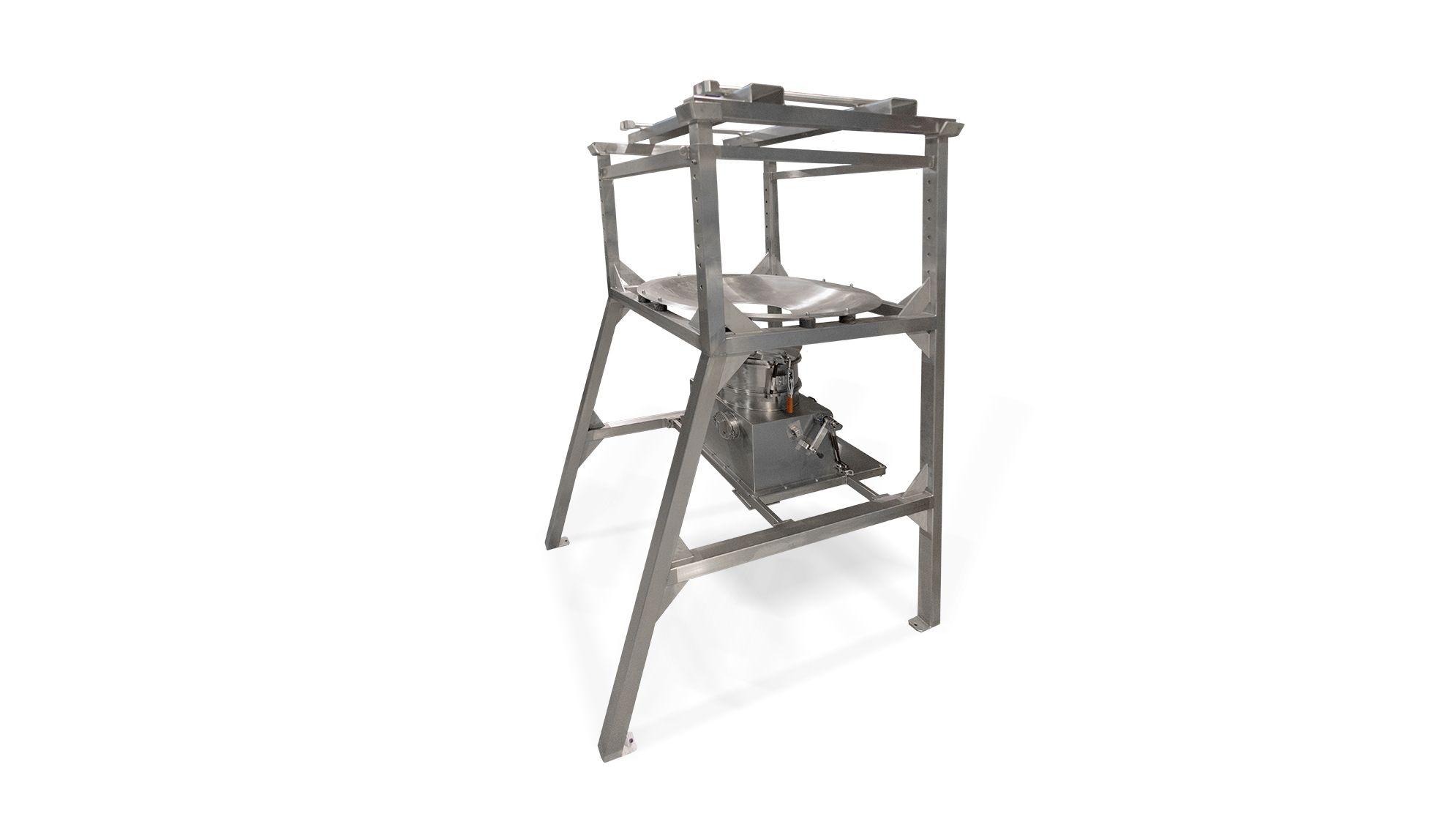 Filling and emptying stations
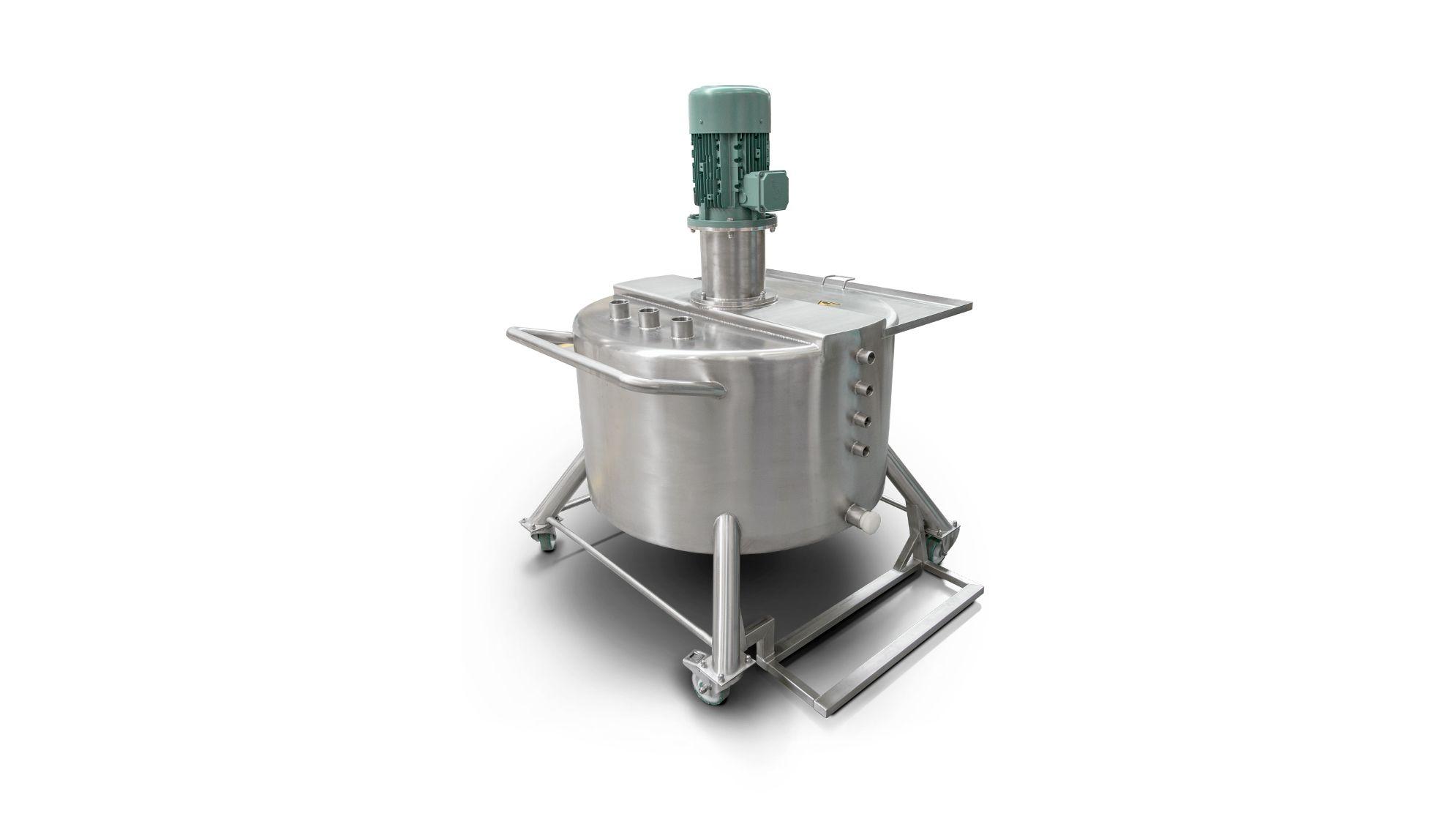 Mixers
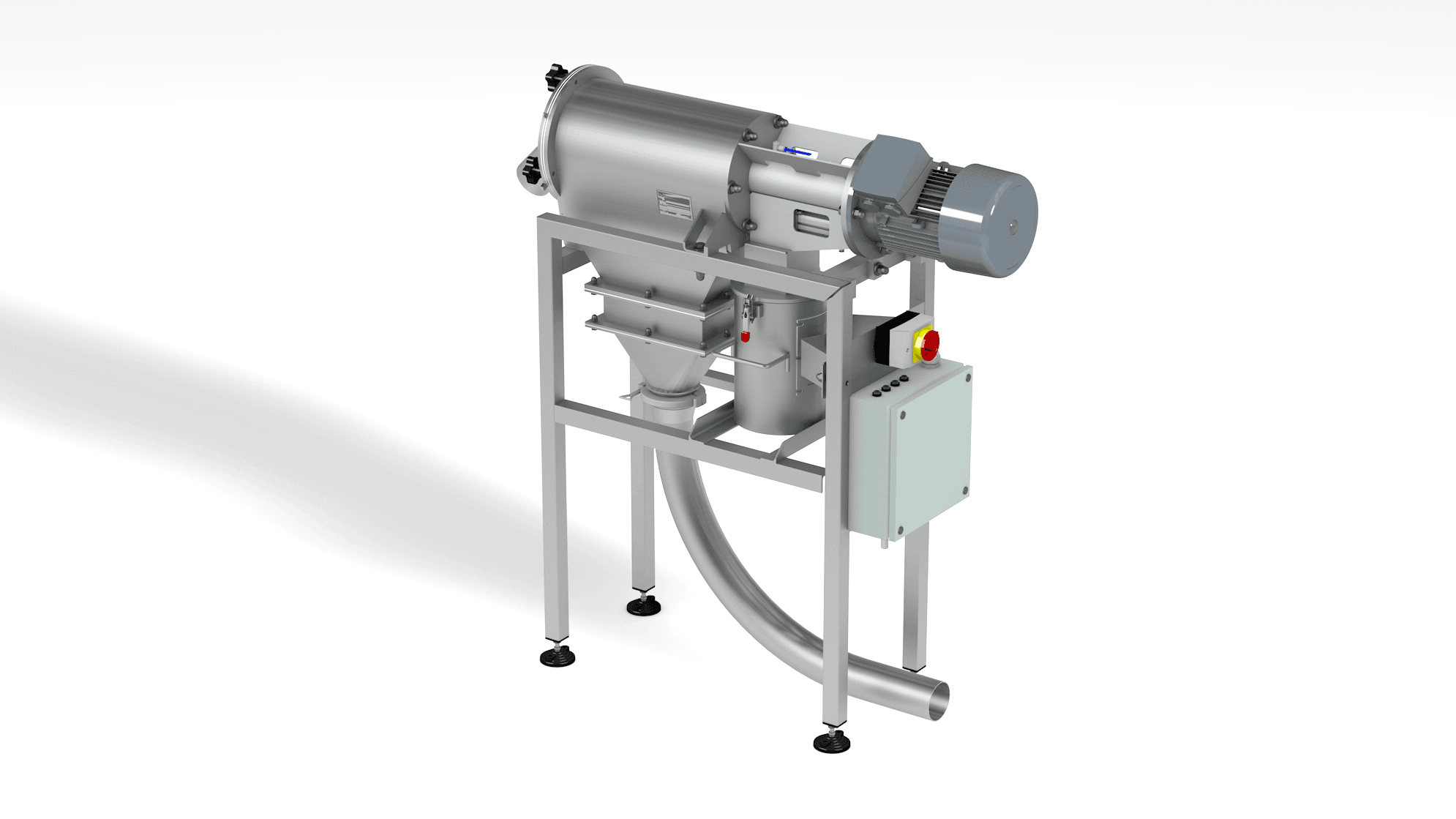 Sieve machines
 Filtration stations
 Single-purpose machinesSieve machines
Sieving is one of the oldest and most frequently used technologies for the processing of bulk materials. The separation is performed by means of a sieve, which may be either a perforated sheet or a woven sieve made of metal or plastic. It makes possible not only to separate the product according to the particle size into different fractions, but also to separate the undesired impurities, and this process therefore makes a significant contribution to the quality of the final product.
Vibrating sieve machines
They are designed for sorting loose, fine to slightly lump non-stick materials. They contain circular sieves of different diameters and a number of cascade sieves on top of each other. The sieve is stretched on its own frame and can be replaced quickly. The vibration exciter is an attached vibrator. The centrifugal force of the vibrators can be adjusted to achieve the required sorting parameters.
The material is filled into a drum-shaped sieve from above, gradually passing through the individual sieves. The sorted fractions are discharged through an outlet on the circumference. The entire drum with sieves is placed on a stand. An ultrasonic system, rubber balls, or plastic rings are used to clean the sieves and increase their performance.
 Chemistry
 Food
Food Pharmacy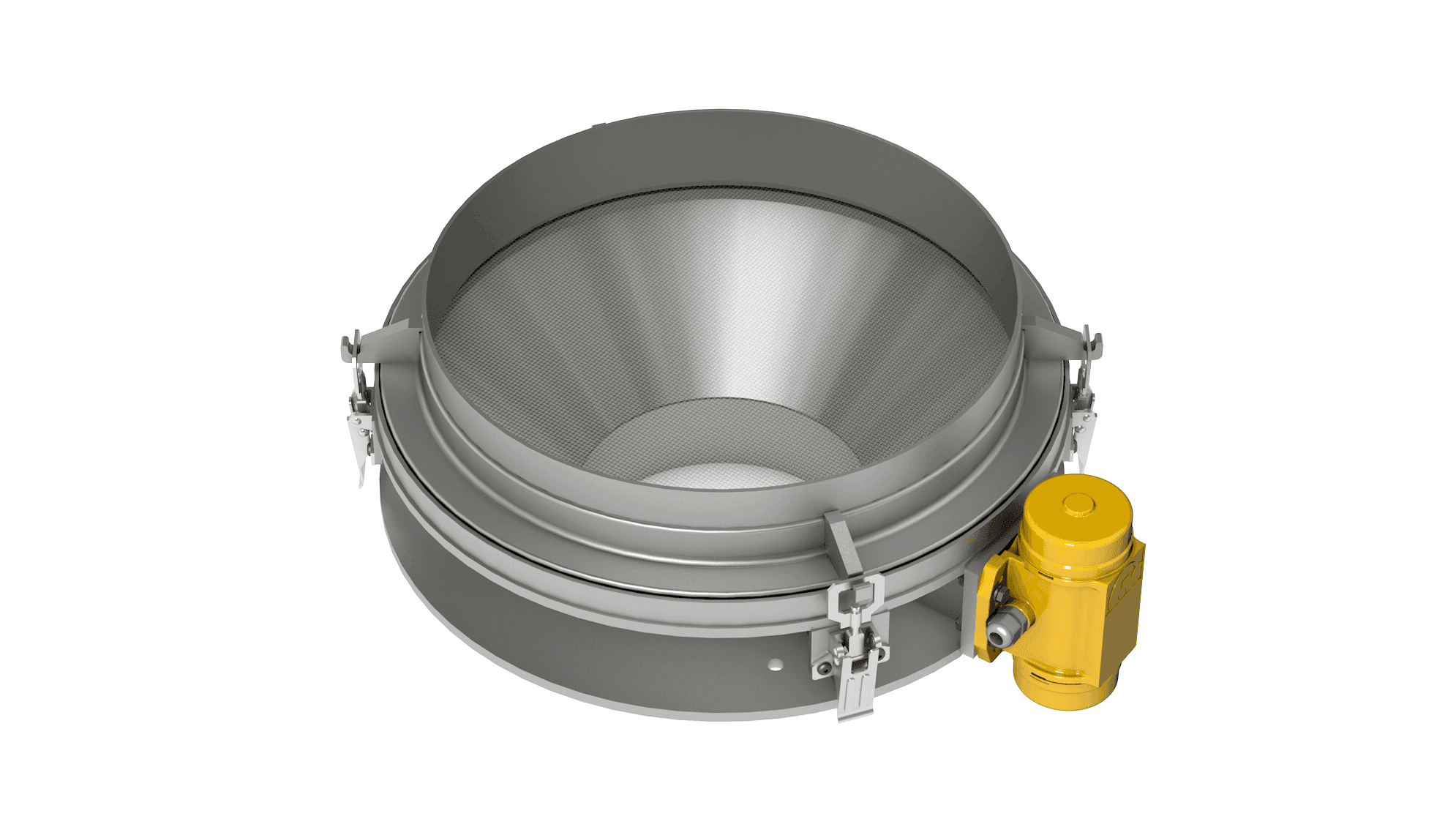
Centrifugal sieves
Their advantage is that they can be integrated into both overpressured and underpressured transport. The sieve is in the shape of a drum that rotates and the speed of rotation can be controlled by a frequency converter. The sieve can be easily removed, cleaned, checked and replaced. The material gradually passes through the inlet neck and through the rotating sieve, while it is thrown through the sieve by centrifugal force, thus can break even small lumps. This movement is further supported by the rotating blades inside the sieve, which at the same time helps to clean it.
Particles that do not pass through the sieve (oversized product) are captured automatically in a small container. A magnetic separator can also be placed under the sieve, which, in case of a tear in the sieve, will catch metal particles, because even if the sieve is made of stainless steel, it is made of a special ferromagnetic stainless steel. With the right combination of rotor speed and sieve size and length, practically any screening result can be achieved.
ChemistryFoodPharmacy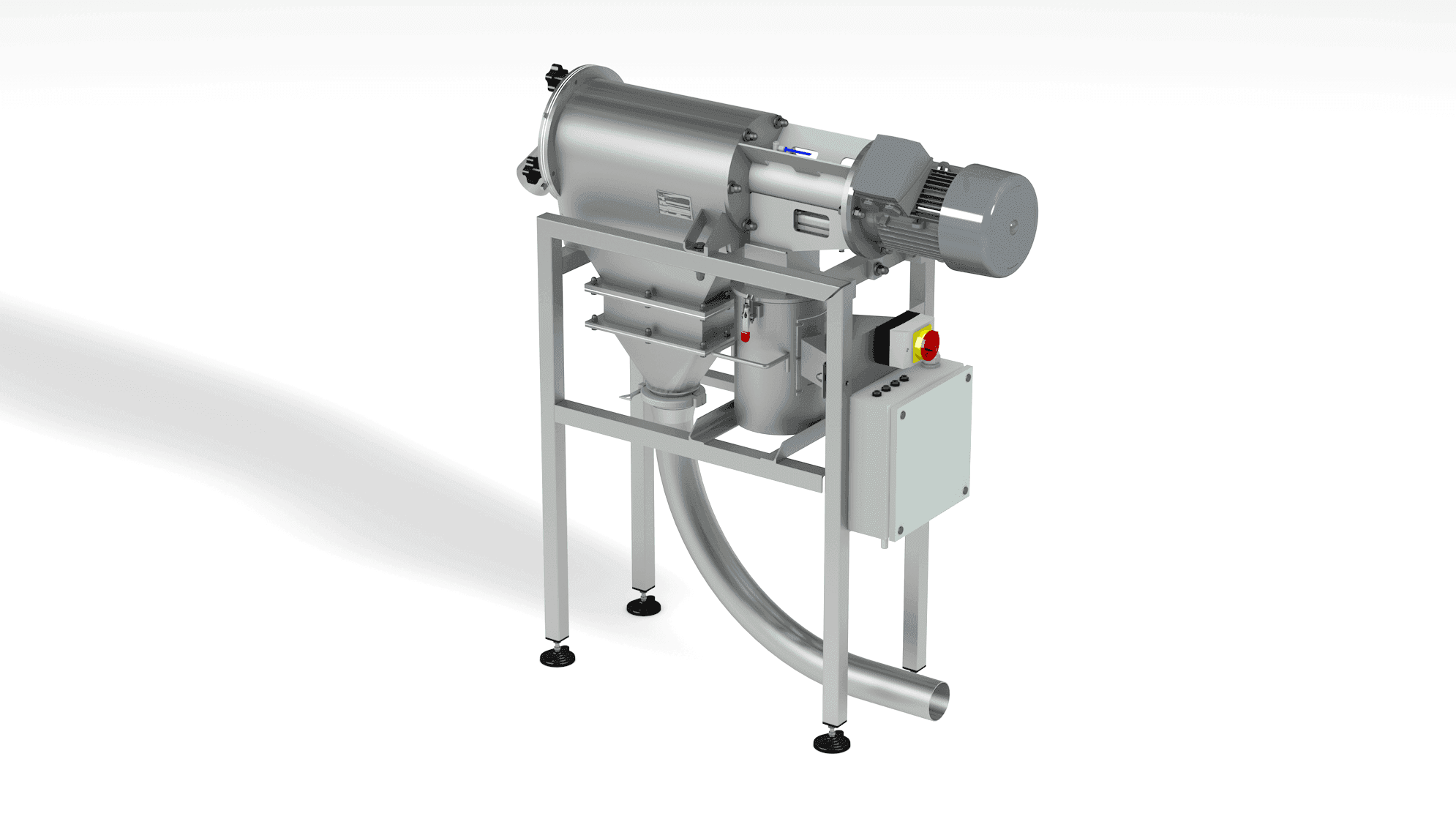
And even more